
Superchain Eco
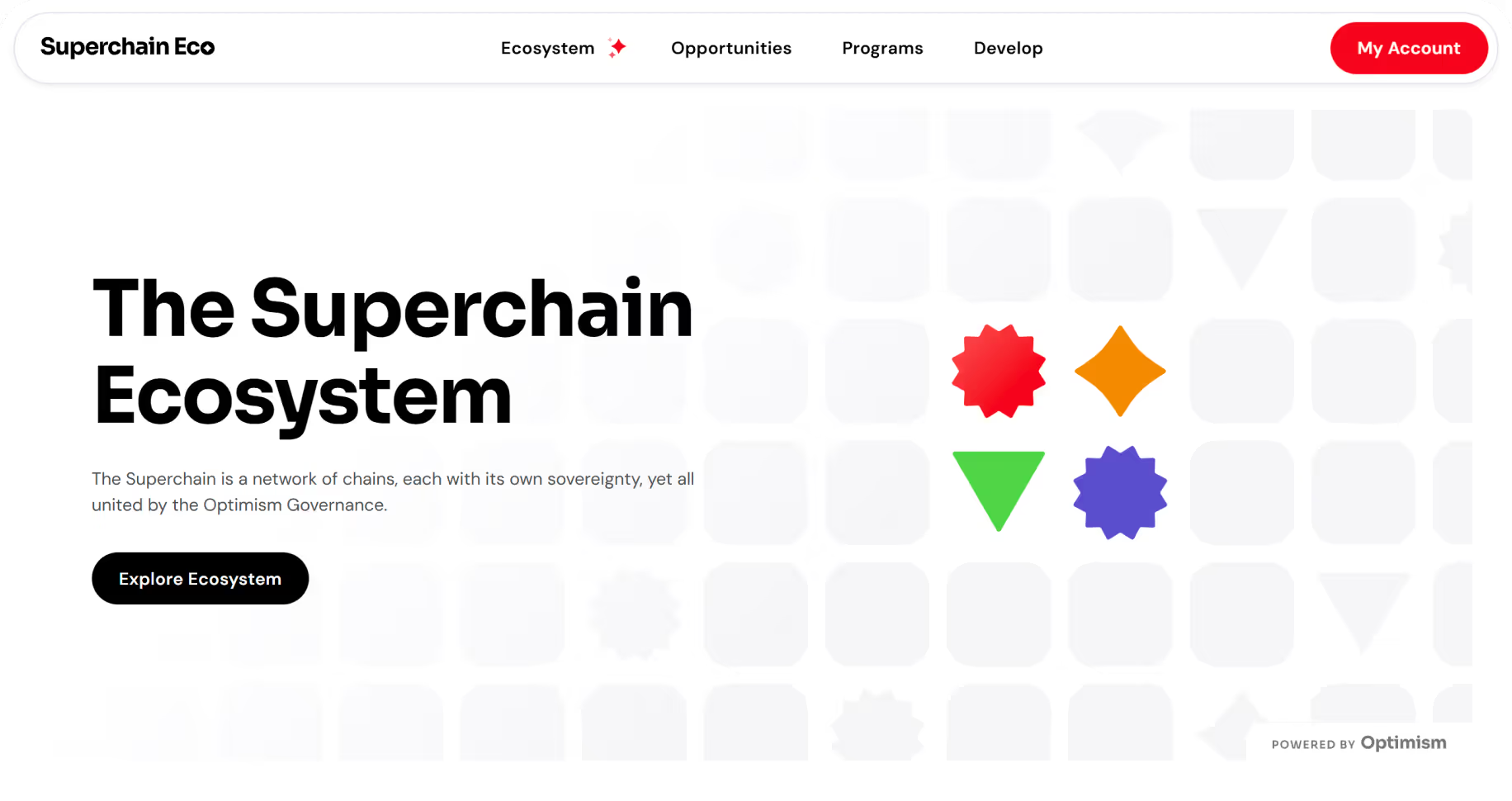
An independent ecosystem hub bringing all Superchain activity into one scalable platform.
Context
The Superchain ecosystem spans dozens of chains, projects, contributors, and programs. Before Superchain Eco, this information was spread across fragmented tools, GitHub repositories, and analytics sites, making it difficult to understand what was happening across the ecosystem at a glance.
There was no single, accessible platform where builders, contributors, and ecosystem participants could discover activity, explore opportunities, and stay informed as the Superchain continued to grow.
Goal
Create a clear, scalable platform that helps builders, founders, and ecosystem participants discover, understand, and engage with the Superchain, while remaining flexible enough to evolve alongside a fast-moving, data-heavy ecosystem.
Audience
Builders and founders exploring the Superchain
Contributors and ecosystem operators
Investors and researchers
Anyone discovering the Superchain or Layer 2 ecosystem for the first time
My role
I led the project end-to-end, from early exploration to final Webflow implementation.
This included:
UX and UI design from low-fidelity exploration to final visuals
Designing the Superchain Eco brand system
CMS architecture and data modeling
Webflow development and performance optimization
Ongoing iteration, maintenance, and feature updates post-launch
I worked closely with a business development lead, a data analyst responsible for sourcing and maintaining ecosystem data, and ecosystem stakeholders through EcoLabs.

Product overview
Superchain Eco acts as a resource and coordination hub for the ecosystem, aggregating chains, projects, contributors, programs, events, insights, and opportunities into a single platform.
The experience was designed to make large amounts of data approachable, searchable, and useful without overwhelming users.
Information architecture & CMS design
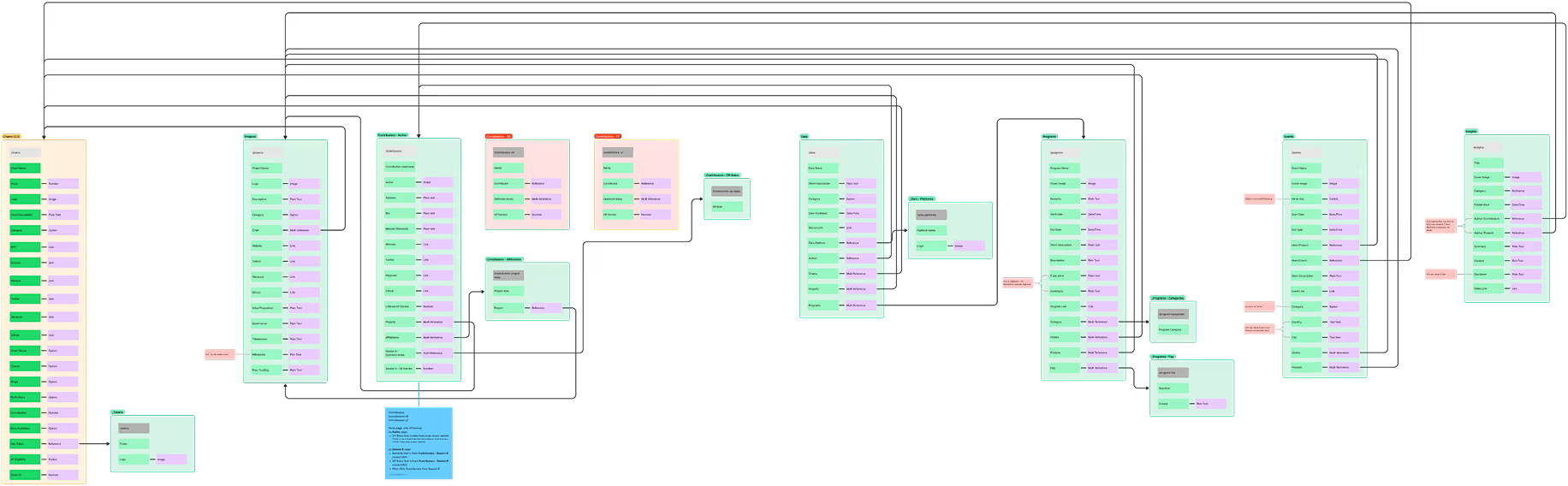
Because the platform is heavily data-driven, a significant part of the work focused on designing a CMS structure that could scale.
Key considerations:
Strong relationships between content types (e.g. projects linked to chains, programs, and contributors)
Flexibility to add new data categories over time
Clear editorial workflows for ongoing data updates
Performance-conscious structure to support large datasets
This foundation allowed the platform to grow without needing structural rework as the ecosystem expanded.
Key UX decisions
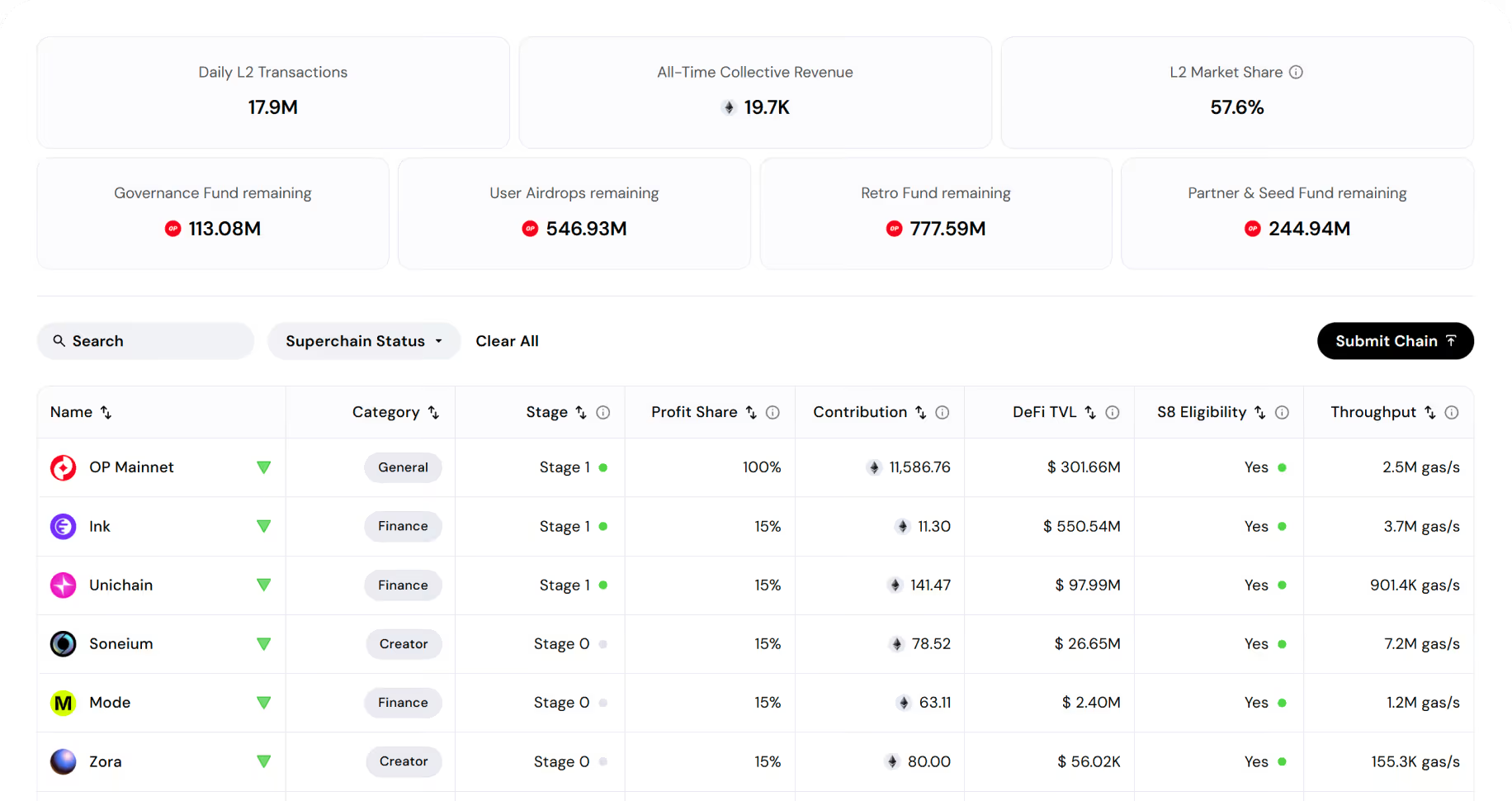
To support real exploration, the interface emphasizes:
Clear tables and cards designed for scanning
Powerful filtering and sorting
Progressive loading and infinite scroll to maintain performance
Thoughtful loading states so users understand what’s happening
These patterns help users move from high-level discovery to specific insights without friction.
Visual system & brand expression
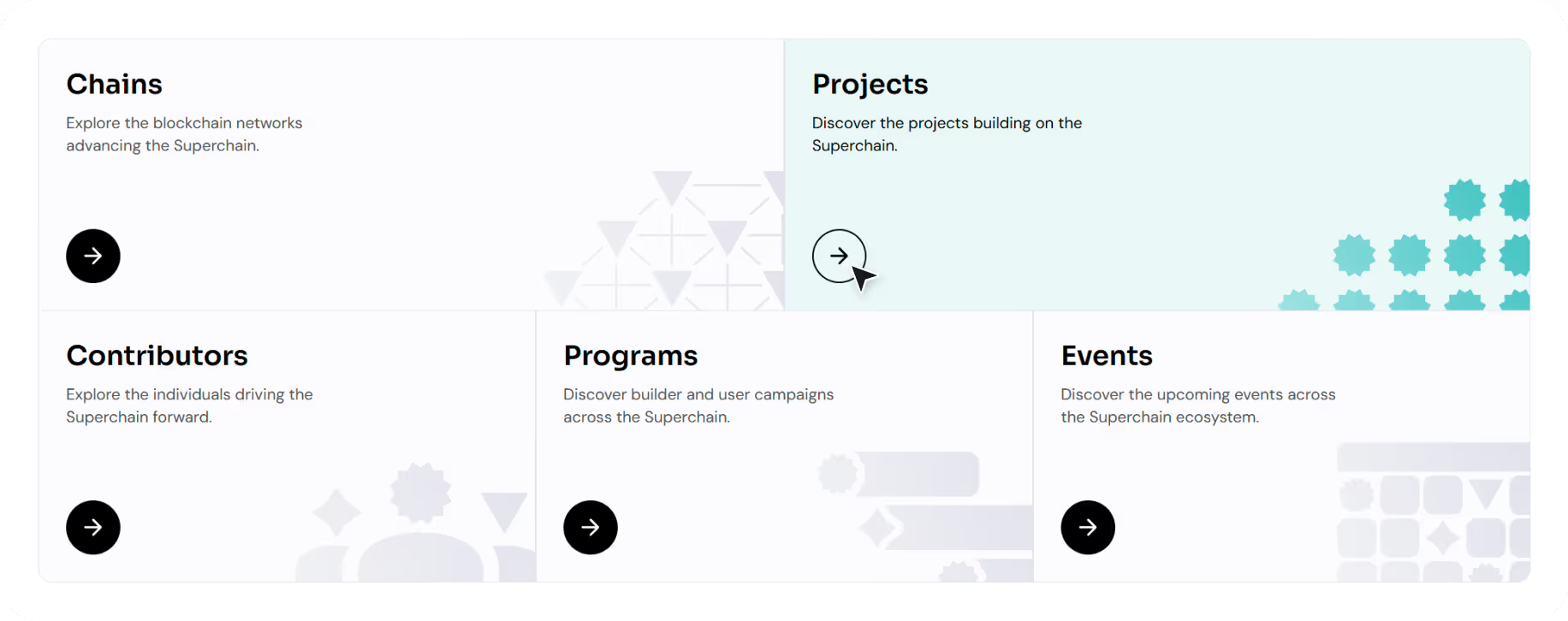
The Superchain brand includes a wide range of colors and shapes representing the diversity of chains within the ecosystem. A key challenge was expressing this identity without distracting from the data itself.
Design decisions included:
A mostly neutral base to keep content readable
Strategic use of color for emphasis, categorization, and interaction states
Subtle brand expression through shapes and motion rather than heavy decoration
The result balances clarity with a distinctive ecosystem identity.
Outcome
Since launch, Superchain Eco has:
Reached over 205k active users
Generated 2M+ tracked interactions
Attracted strong social traction within the ecosystem
Become a go-to reference point for projects, chains, and events
Many teams began actively submitting their projects and events, and the platform is frequently perceived as the central discovery hub for the Superchain ecosystem.
Learnings
This project reinforced the importance of:
Designing systems, not just screens
Balancing visual simplicity with complex data
Building CMS architectures that anticipate growth
Allowing time for iteration when working with large, evolving organizations
It also deepened my expertise in Webflow as a production tool for complex, data-heavy products.
Final reflection
Superchain Eco remains one of the most rewarding projects I’ve worked on. Seeing a platform I designed used daily by a large, active ecosystem confirmed the value of investing in scalable systems, clear UX, and thoughtful execution.
I’ll review your message and get back to you within 1–2 business days.